SEARCH PLANT
Powered by

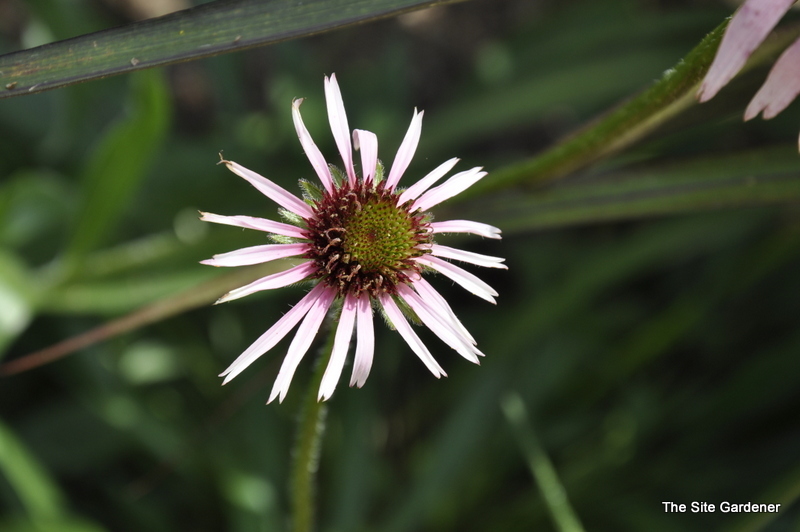
Echinacea Pallida
Common Name: Pale Purple Coneflower
Echinacea pallida — commonly called Pale Purple Coneflower — is a native, long-blooming perennial valued for its graceful, drooping pale lavender to pink petals surrounding a prominent dark central cone, appearing from late spring into early summer. Narrow, gray-green foliage forms a loose, upright clump and remains attractive through the season, sometimes developing muted tones in fall. Its tall, airy habit and naturalized look make it ideal for prairie plantings and wildflower gardens.
Mature Size:
Width: 12–18 in
Height: 24–36 in
USDA Zones: 3a–8b
Light: Full sun
Soil: Well-drained soils; tolerant of poor, sandy, or rocky conditions
Water: Low; highly drought tolerant once established
Wildlife: Attracts native bees, butterflies, and songbirds (seed heads)
Features & Landscape Uses:
Form: Upright, open, clump-forming perennial with slender stems
Excellent for prairie gardens, naturalized areas, pollinator gardens, and native plantings
Graceful, drooping petals create a soft, informal look
Deep taproot improves drought tolerance and longevity
Deer resistant and low maintenance
Maintenance:
Deadhead to prolong bloom or leave seed heads for winter interest
Cut back in late fall or early spring
Avoid frequent division due to taproot
| Plant Type: | Perennial |
| Width: | 12-18" |
| Height: | 24-36'' |
| Fragrant: | Not verified |
| Fruit: | Not verified |
| Growth Rate | Slow |
| Zone: | 3–8 |
| Deer Resistant: | Yes |
| Salt Tolerant: | Not verified |
| Drought Tolerant: | No |
| Attract: | Butterflies, Bees, Birds |
| Exposure: | Full Sun, Partial Shade |
| Bloom Time: | Late Spring, Summer |
| Landscape/Use: | Container, Mass Planting, Accent Plant, Border |
| Shape: | Clump, Upright |
| Soil Type | Loamy, Sandy, Well Drained |
| Flower Color: | Hot Pink |
| Leaf Color: | Green |