SEARCH PLANT
Powered by

Ulmus Slippery
Common Name: Red Elm, Gray Elm,soft Elm, Moose Elm
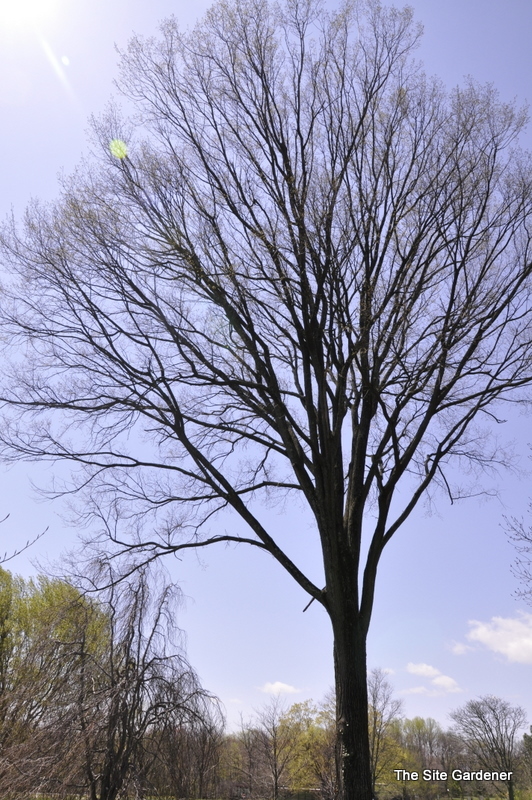
Slippery Elm develops a large, rising crown that may become oval or vase-shaped. Its broad green leaves have a rough surface and turn a subdued yellow before dropping in fall.
Small reddish-green flower clusters appear around late winter and spring, followed by flat, winged seeds. Birds and other wildlife use the tree for food and shelter, but the seed litter makes a naturalistic setting preferable to a position close to the house.
Allow generous space and use well-drained soil, ideally moist loam or clay loam, in sun or partial shade. Established trees tolerate dry periods. This species is susceptible to Dutch elm disease and should not be confused with resistant hybrid elms.
Size
• Height: 40–70 ft
• Width: 30–50 ft
Hardiness
• USDA Zones: 3a–9b
Best Uses
• Woodland Gardens
• Provide Shade
| Plant Type: | Shade Tree, Deciduous Tree |
| Width: | 30-50 ft |
| Height: | 40-70 ft |
| Fragrant: | No |
| Fruit: | Yes |
| Fruit Color | Brown |
| Growth Rate | Fast |
| Zone: | 3a–9b |
| Deer Resistant: | No |
| Salt Tolerant: | No |
| Drought Tolerant: | Yes |
| Attract: | Butterflies, Squirrels, Songbirds |
| Exposure: | Full sun to part shade |
| Bloom Time: | Spring, Late Winter |
| Bark Type: | Rough |
| Landscape/Use: | Woodland Gardens, Provide Shade |
| Shape: | Vase Shaped, Oval, Upright |
| Soil Type | Loamy, Moist well-drained, Tolerant of Clay |
| Flower Color: | Red, Green |
| Leaf Color: | Green |
| Fall Color: | Yellow |